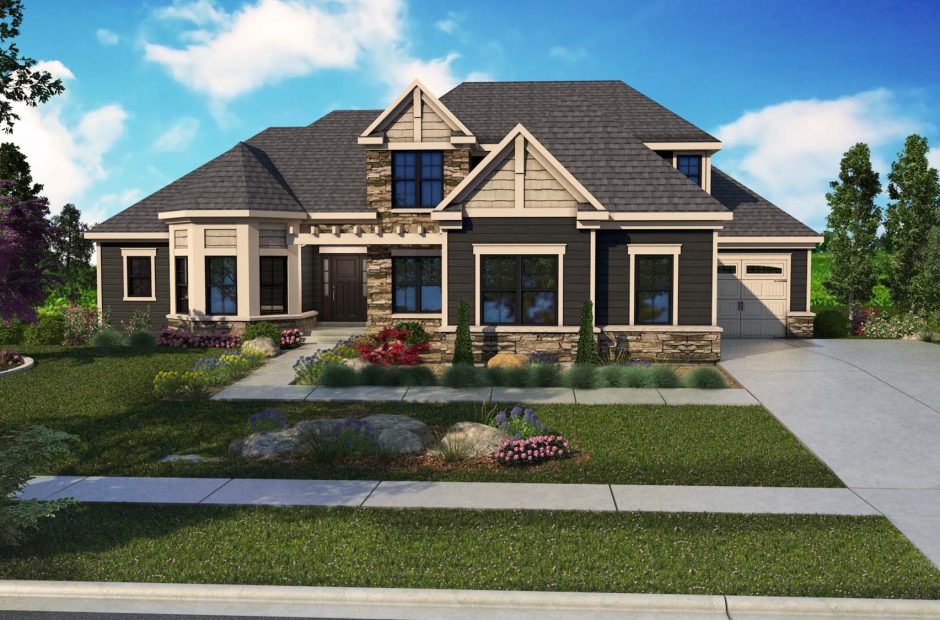
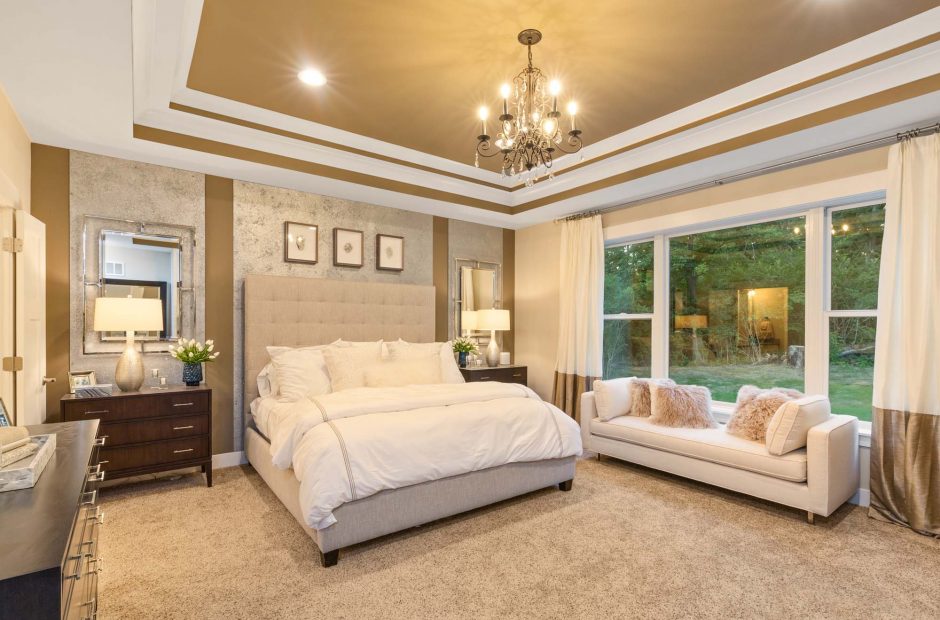
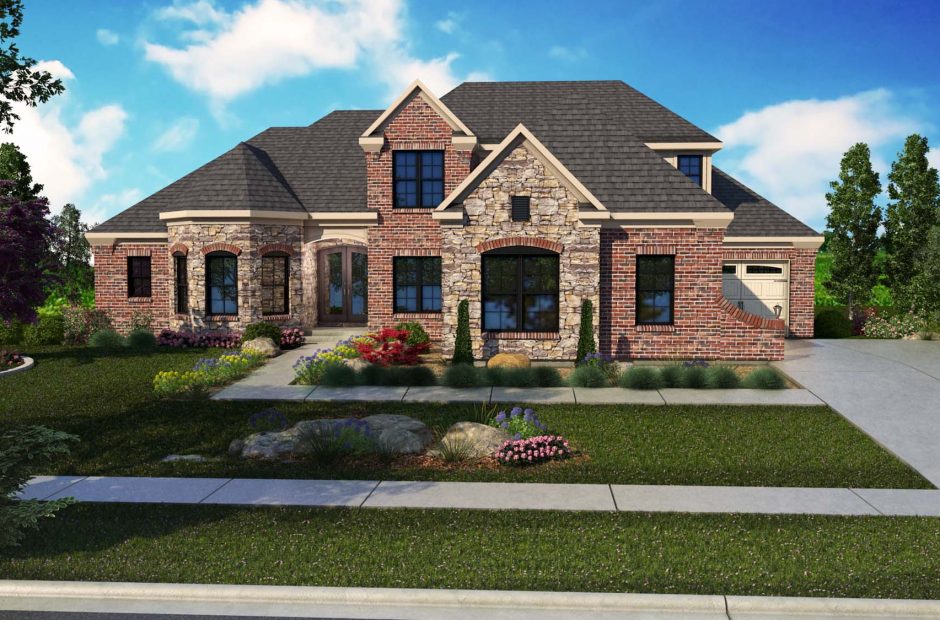
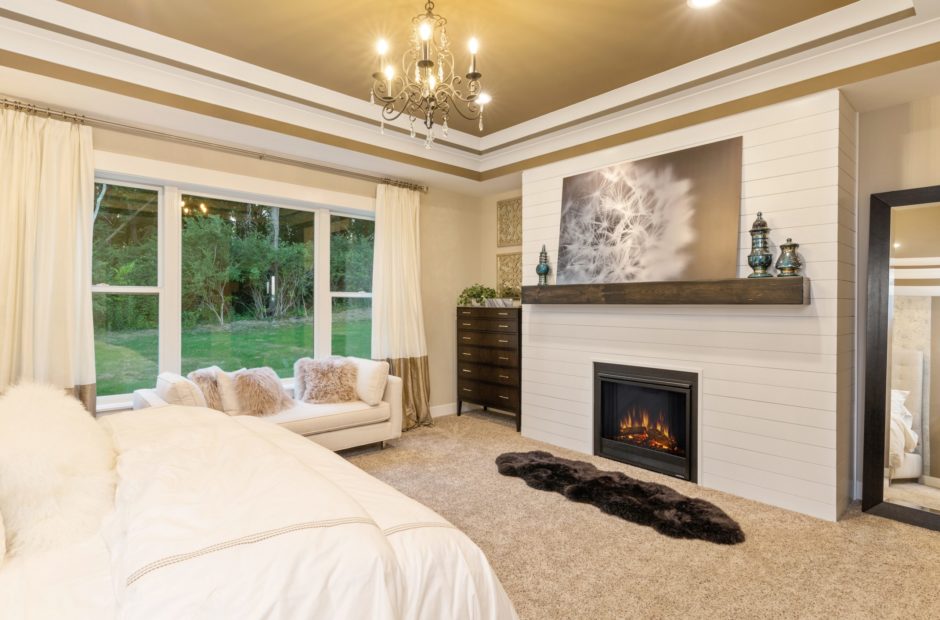
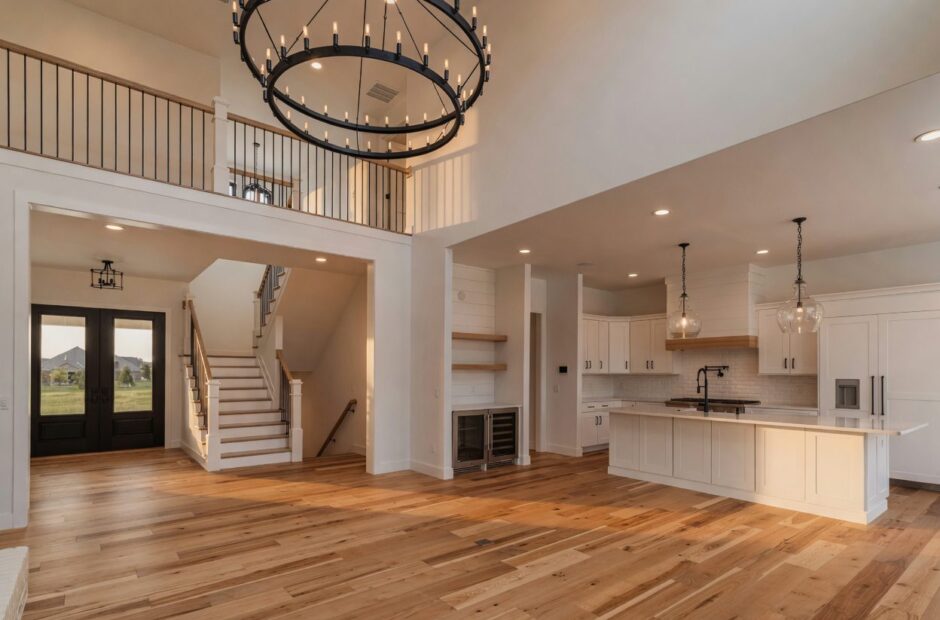
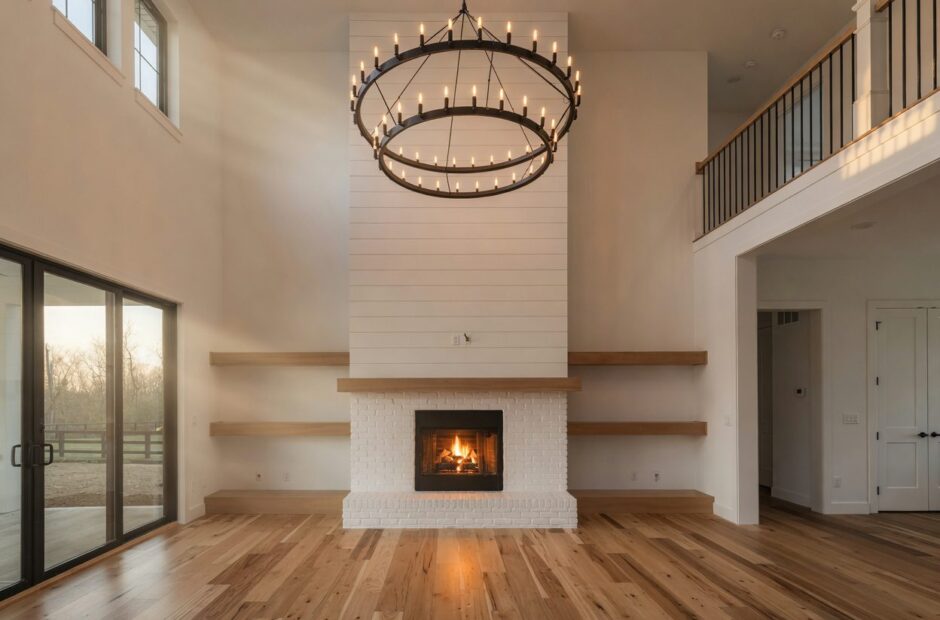
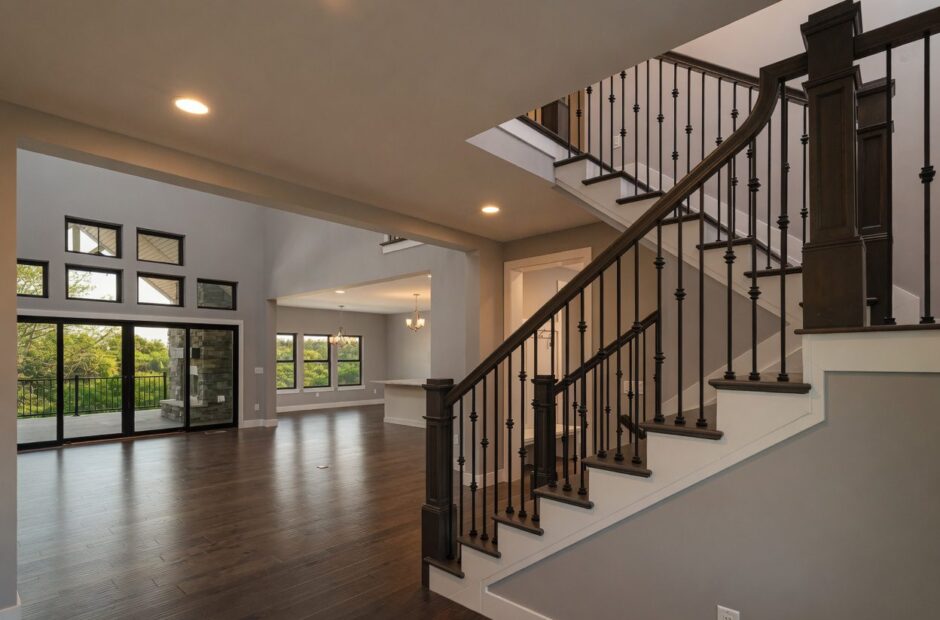
Build On Your Lot
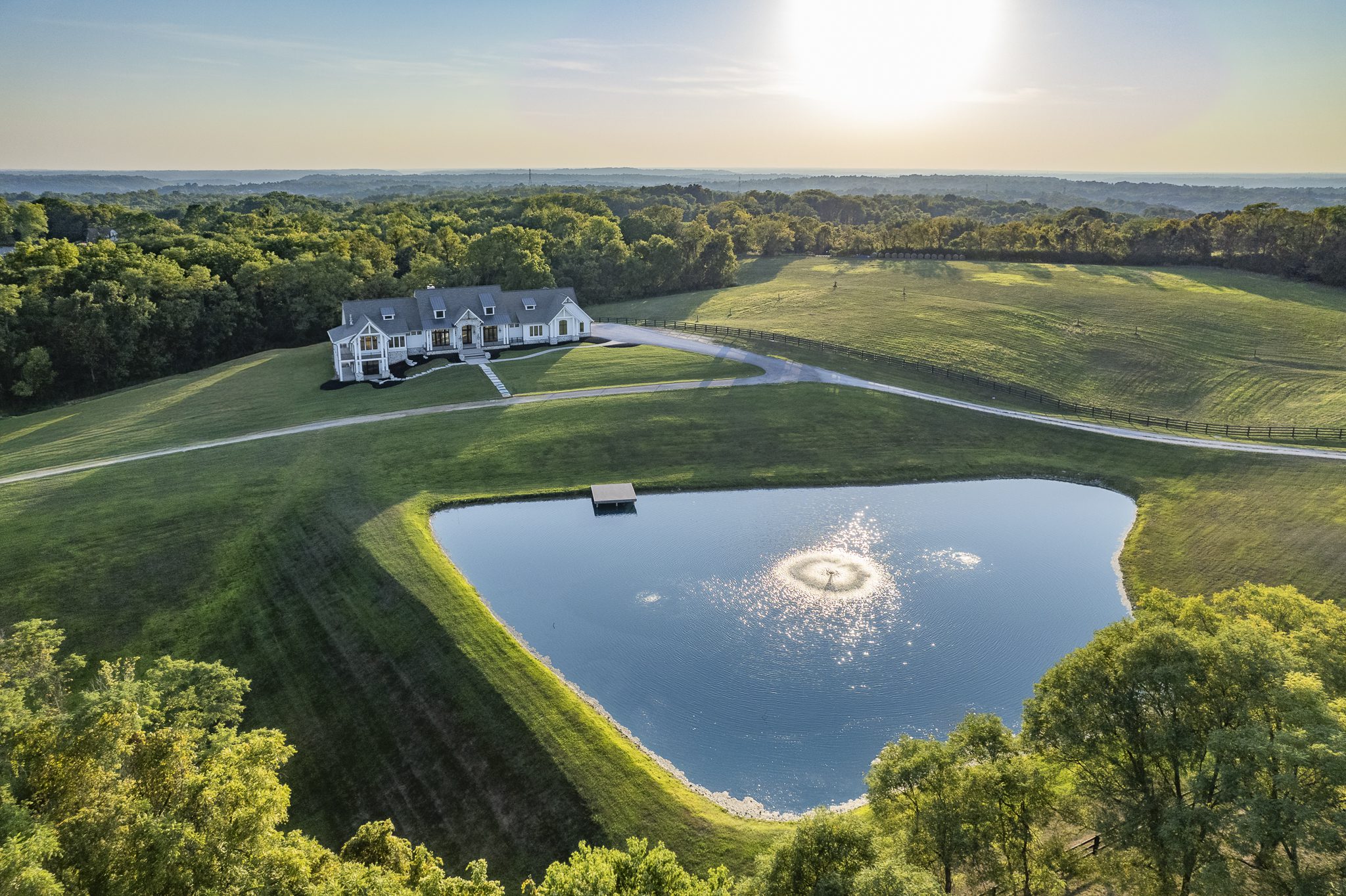
Build on Your Lot - Custom Homes on Your Land
Greater Cincinnati · Northern Kentucky · Dayton · Signature plans, full custom, or plans you bring
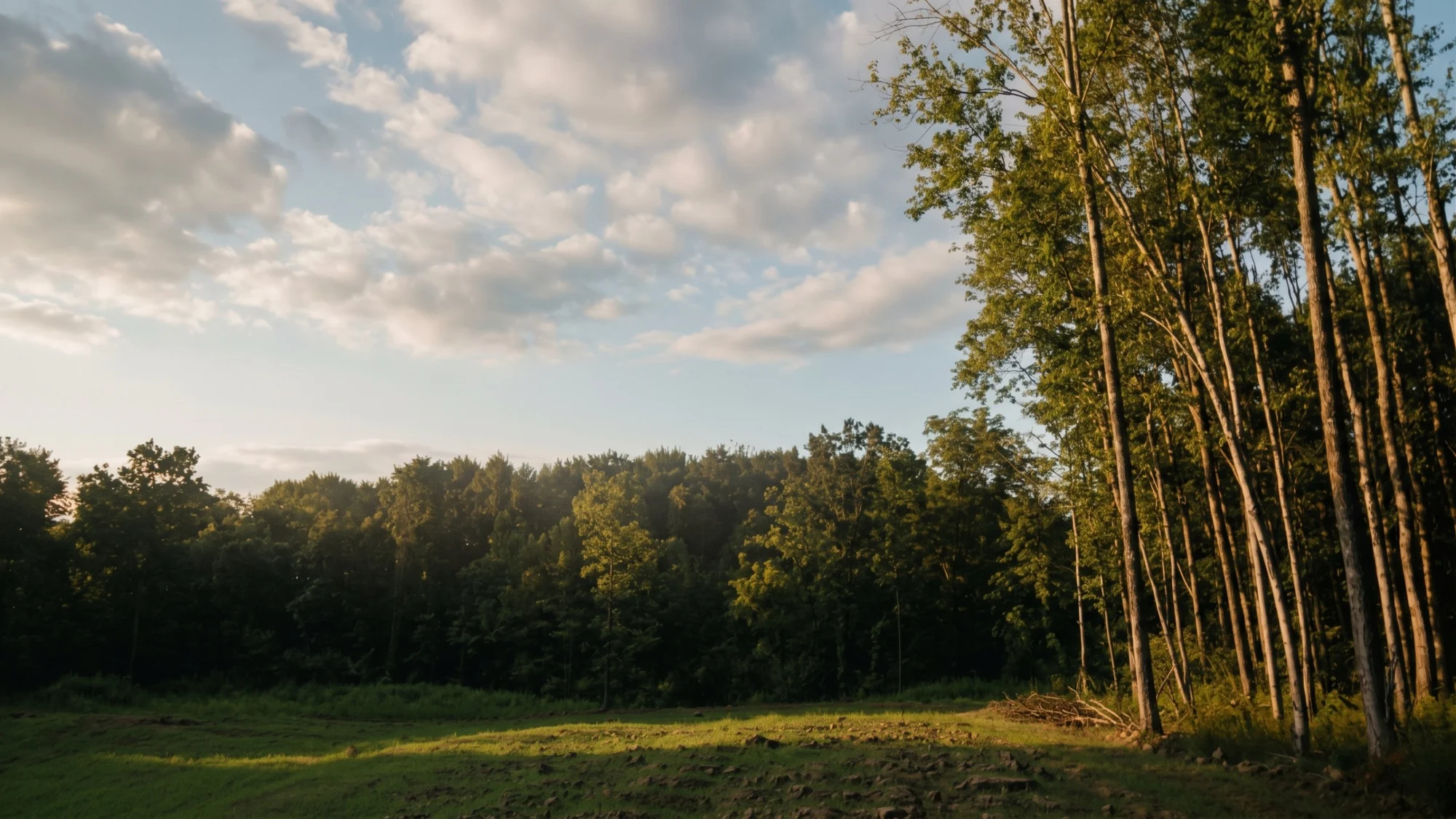
Most land comes with a story before it comes with a house.
A field your parents kept when they sold the rest of the farm. Five acres you bought years ago and still drive past on Sundays. The corner of the family property everyone has always called the spot where the house would go.
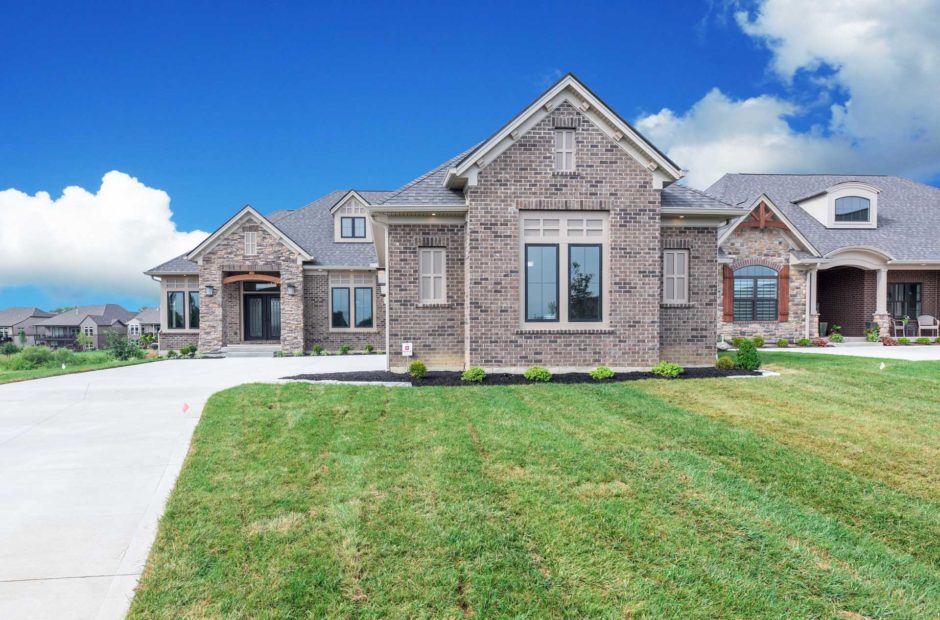
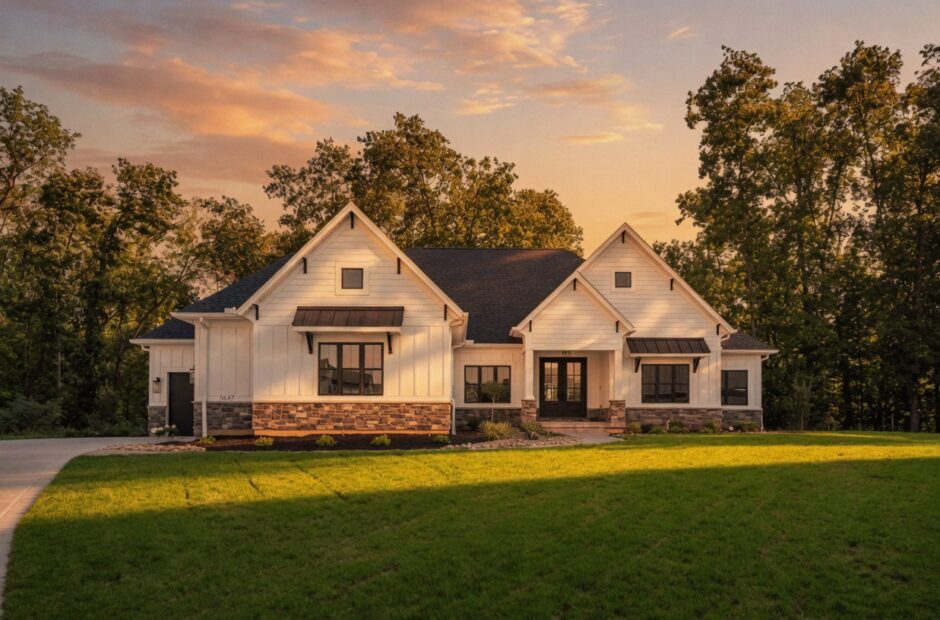
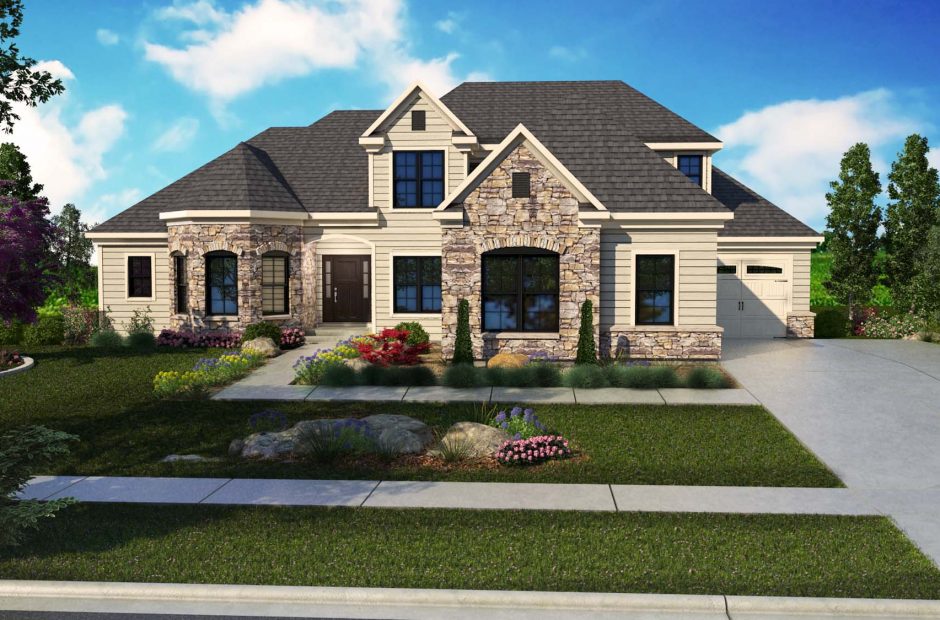
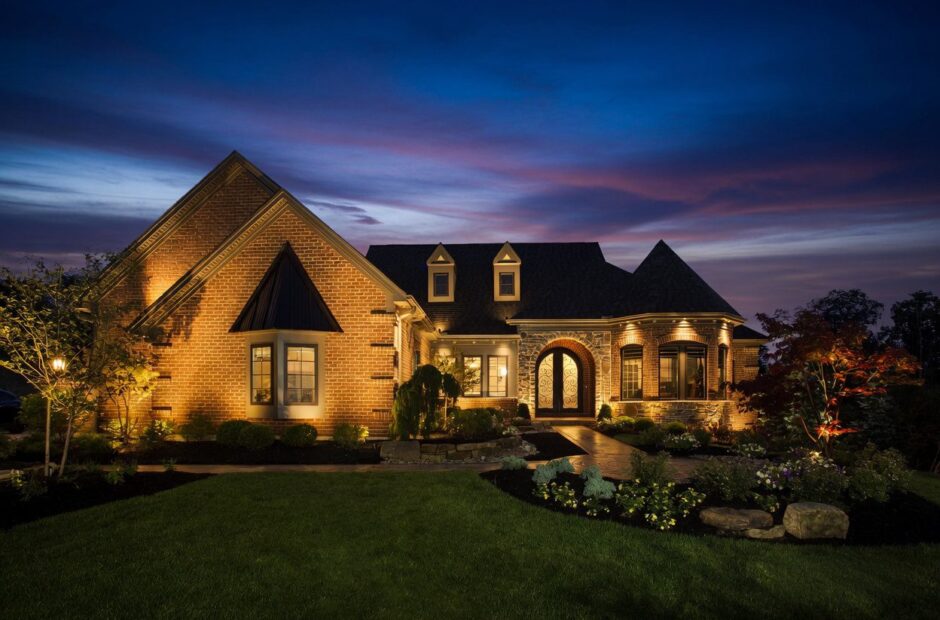
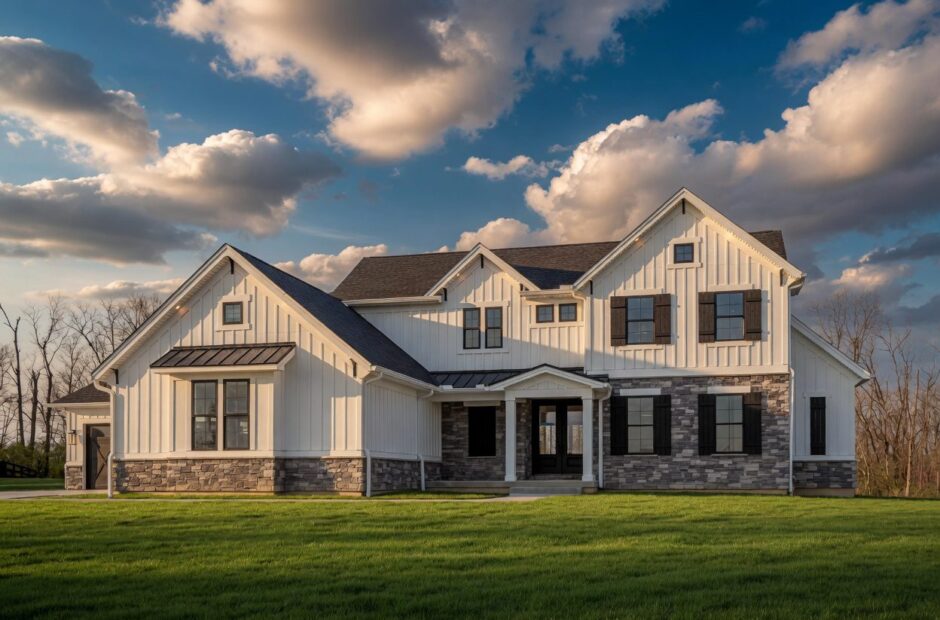
We build there. A large share of the custom homes we build sit on land our clients already own.
Where are you starting from?
- You own land. Start with what we look at on your land.
- You’re shopping for land. Start with what to ask before you buy.
- The land has been in your family. Start with building on family land.
- You haven’t found land yet. Start with a homesite in one of our communities.
What we look at on your land
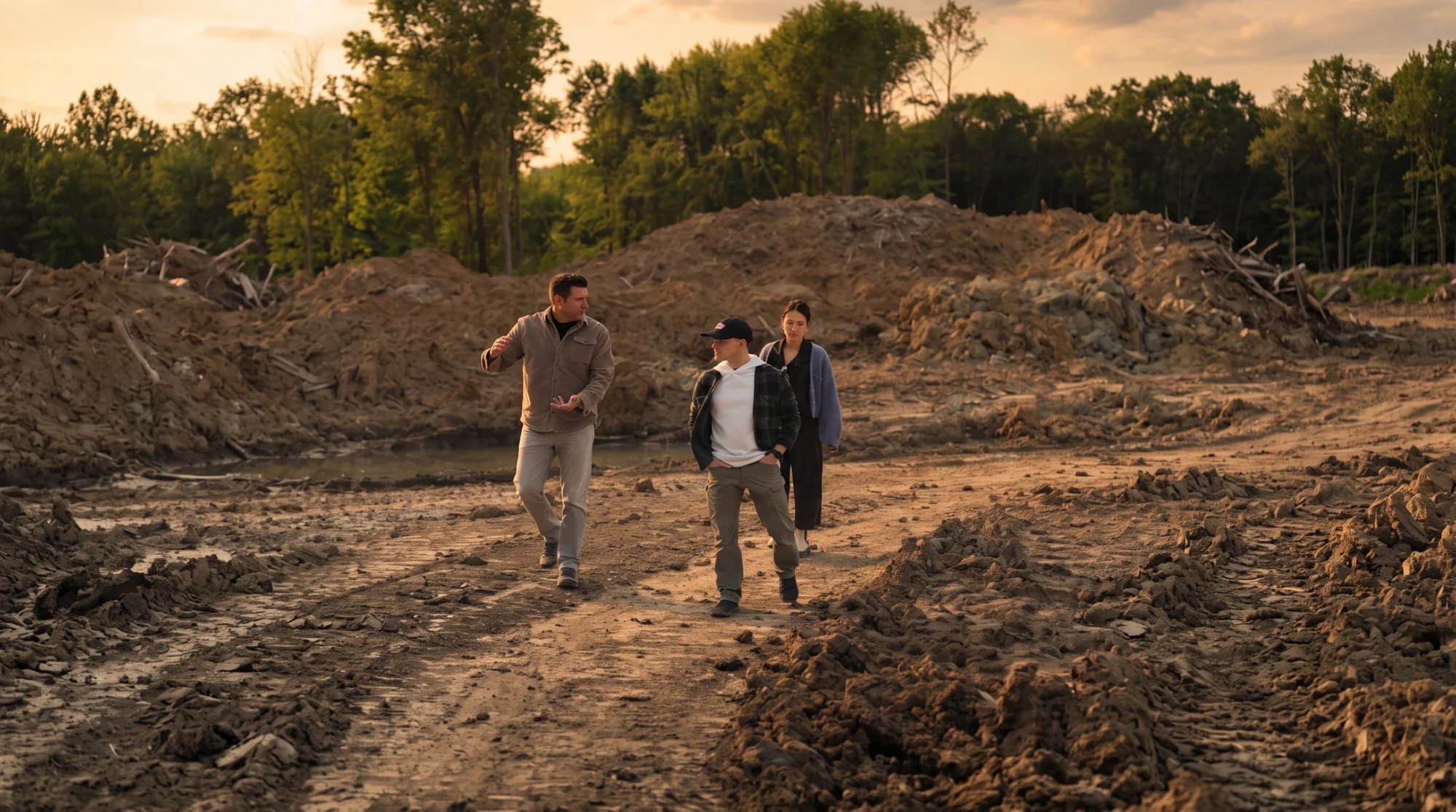
Every lot is different, down to the soil. Before you commit to anything, we walk it with you and look at the things that decide what a house there costs and how long it takes.
- Utilities. Is there public water and sewer at the road, or will the home need a well and a septic system? How far do electric and gas have to run?
- Soil. Soil tests tell us what the foundation needs and, where there’s no sewer, whether the ground can take a septic system.
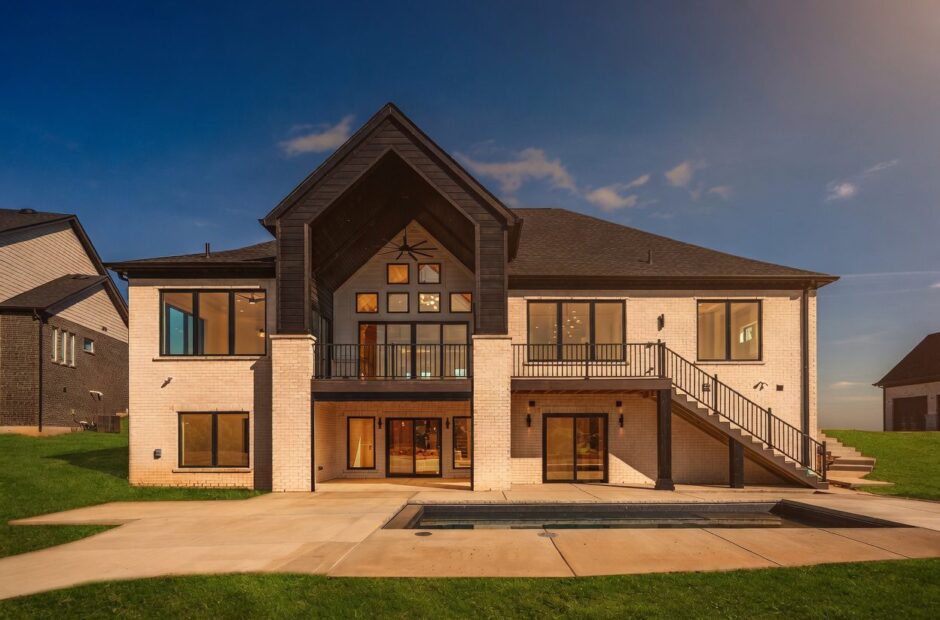
- Slope. Land that falls away from the house can give you a walkout lower level. It can also mean more excavation and grading.
- Access. How long the driveway runs, whether it needs a culvert, and whether it crosses anyone else’s land.
- Trees. What stays, what comes out, and what that costs.
- The rules. Zoning setbacks, deed restrictions, any HOA covenants, and flood maps.
You’ll know what the land is asking for before you sign anything.
Shopping for land? Ask these first
The cheapest lot isn’t always the cheapest place to build. Before you make an offer, find out:
- Is public sewer available? If not, has a soil evaluator confirmed the ground can take a septic system?
- Is public water at the road, or will the home need a well?
- How far are electric and gas from where the house would sit?
- What do zoning and any deed restrictions allow: setbacks, minimum square footage, outbuildings?
- Is any part of the lot in a flood zone?
- Is there a recorded survey, and is access to the road guaranteed?
Talk to us before you make an offer. It’s a short conversation, and it can save you from buying a lot that costs more to build on than it did to buy.
Building on family land
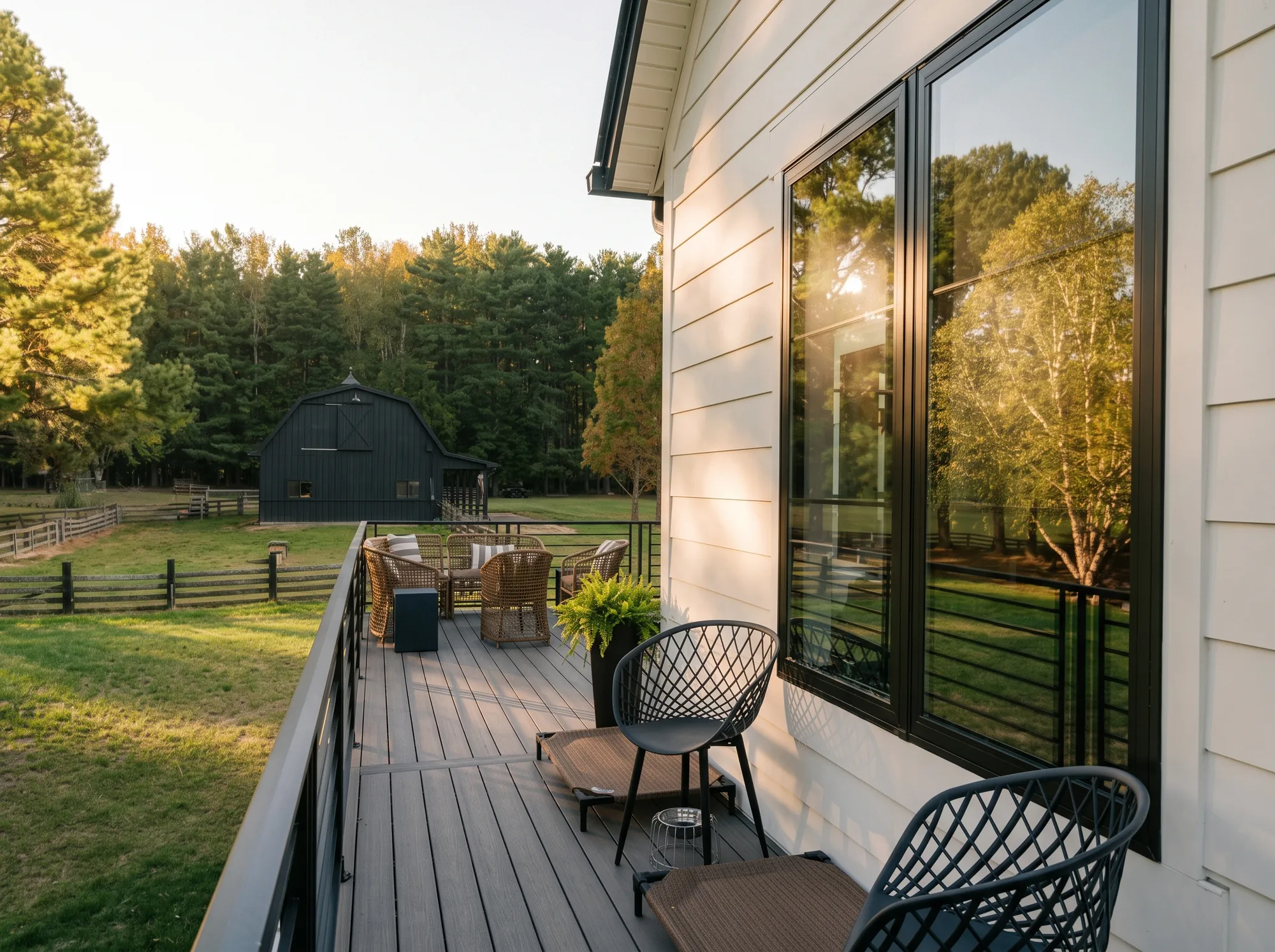
A lot of the land we build on has been in a family for a long time: next door to parents, on a parcel split from the farm, on a lot a grandparent left behind.
Family land often comes with a few extra steps. A parcel may need to be split from a larger one, a new survey recorded, or a shared driveway sorted out. Those go through the county or township before a building permit can be issued, and it helps to start them early.
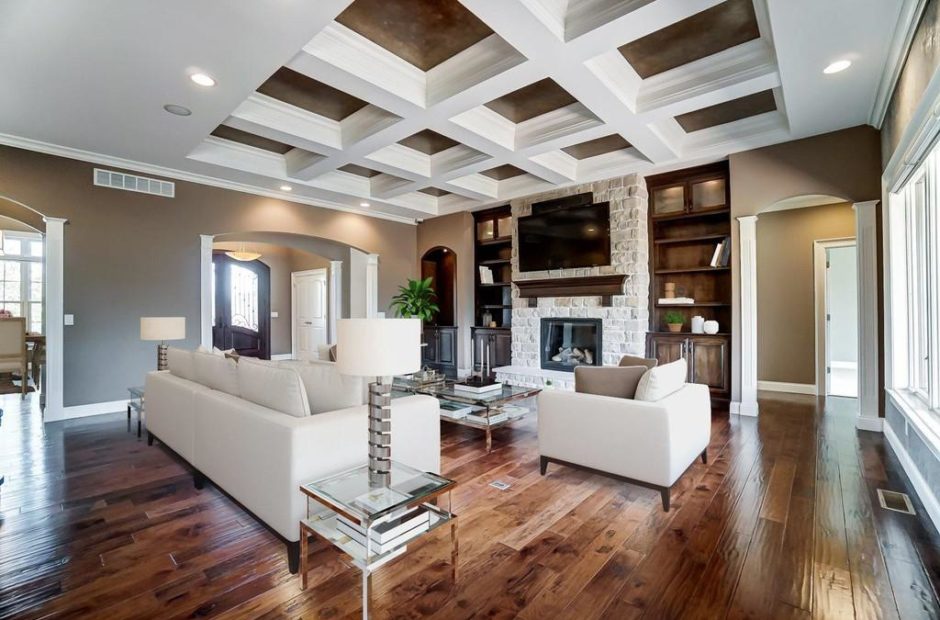
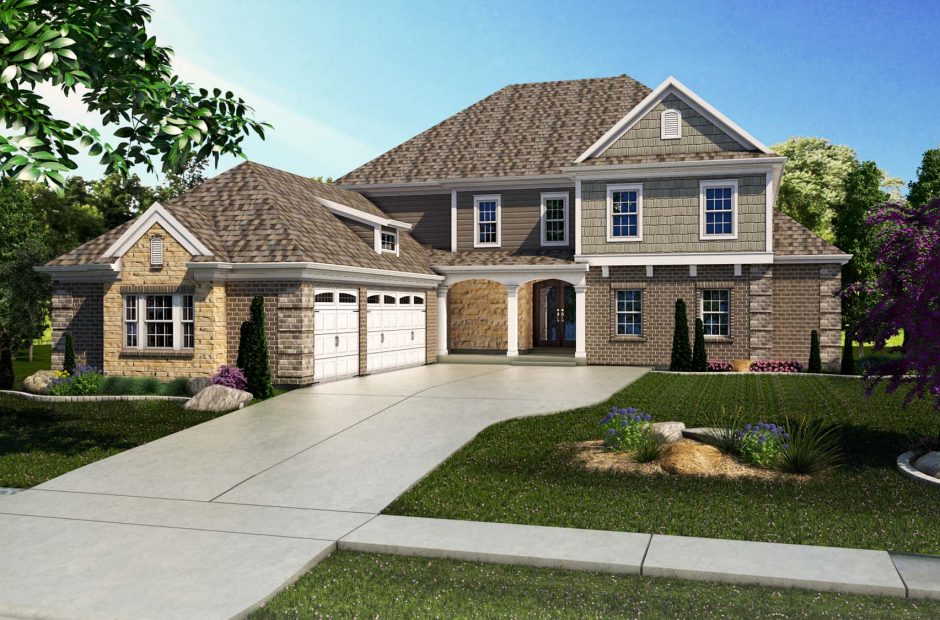
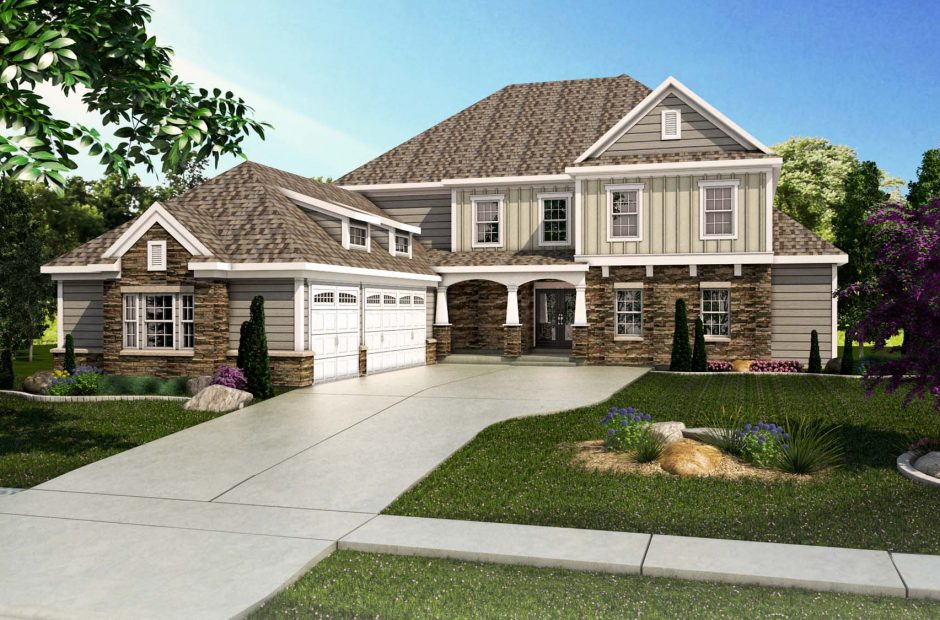
If the house needs to work for more than one generation — a main-floor suite for a parent, a lower level for kids who come home — that goes into the design from the first sketch. The Oakmont II has four ways to finish its lower level, which is often where that conversation starts.
Choose a plan, change a plan, or bring your own
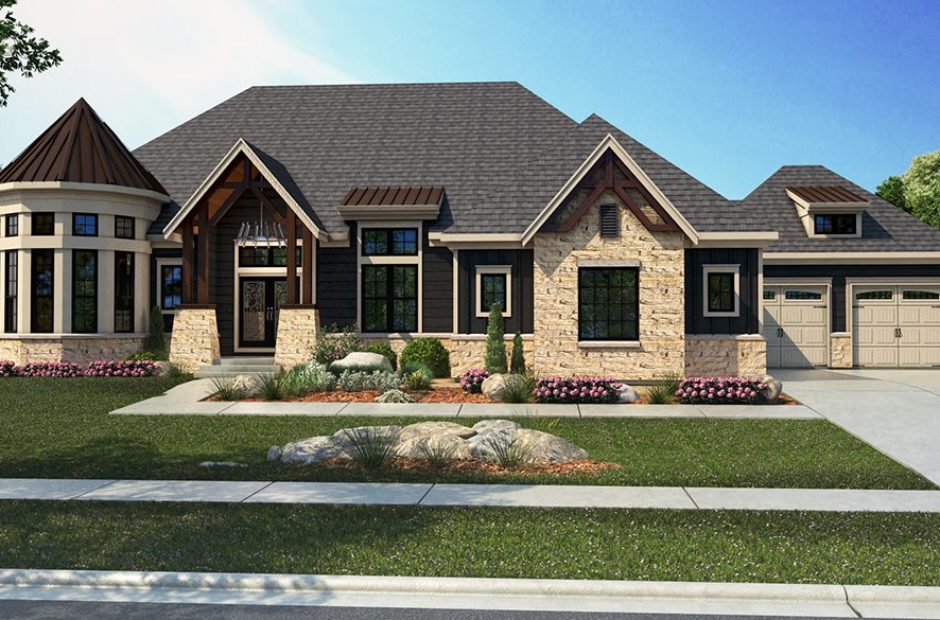
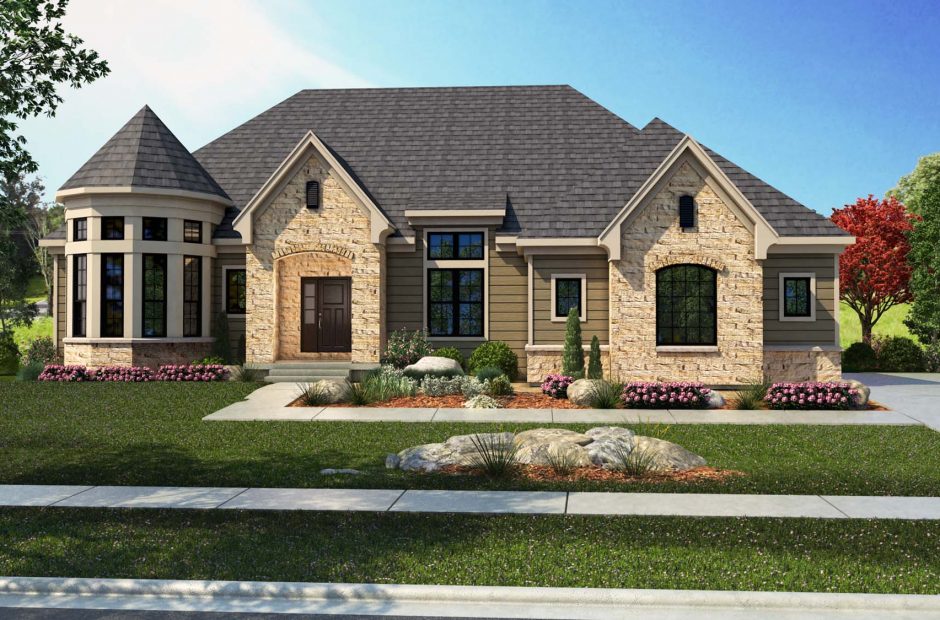
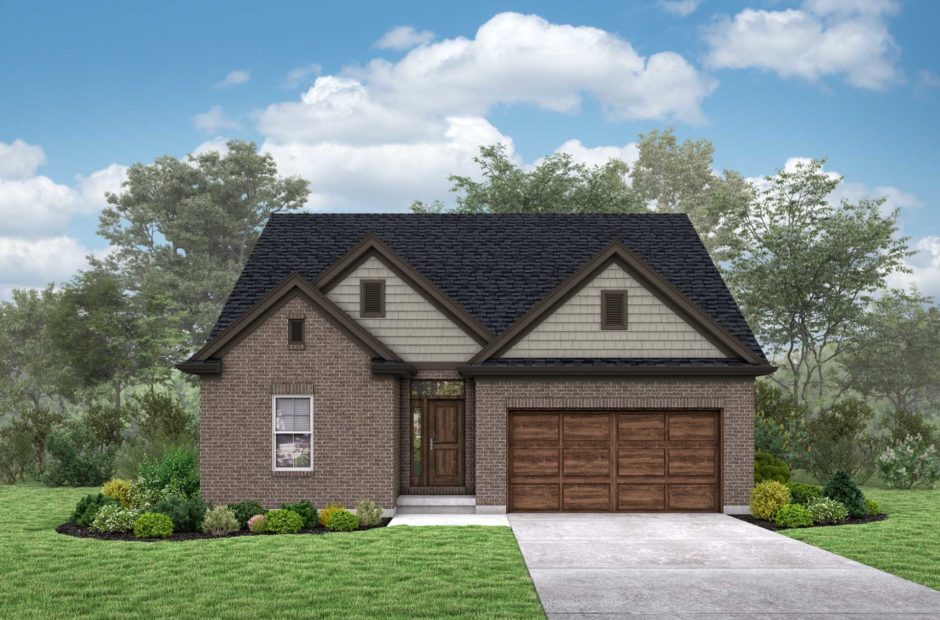
- Signature Series — 19 plans, each a starting point. Good starting points for land with room to spread out: The Rubicon (2,311+ sq ft), The Alder (2,400 sq ft), The Equestrian (2,544+ sq ft) and the Meridian (2,467+ sq ft, one or two stories).
- Luxury Series — fully custom, drawn from the ground up with our in-house design team.
- Your own plans — if you’ve already had a home designed, bring the drawings.
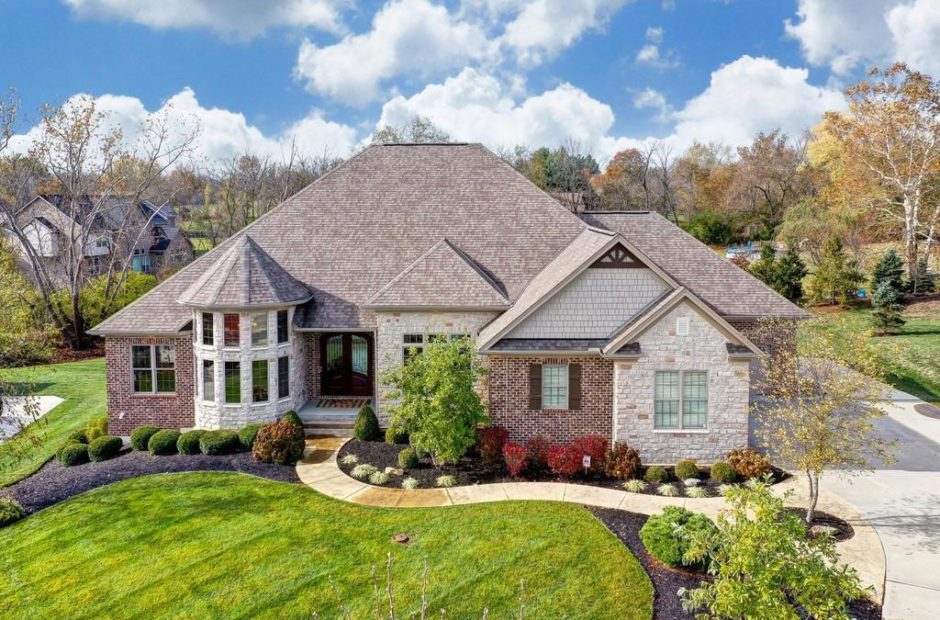
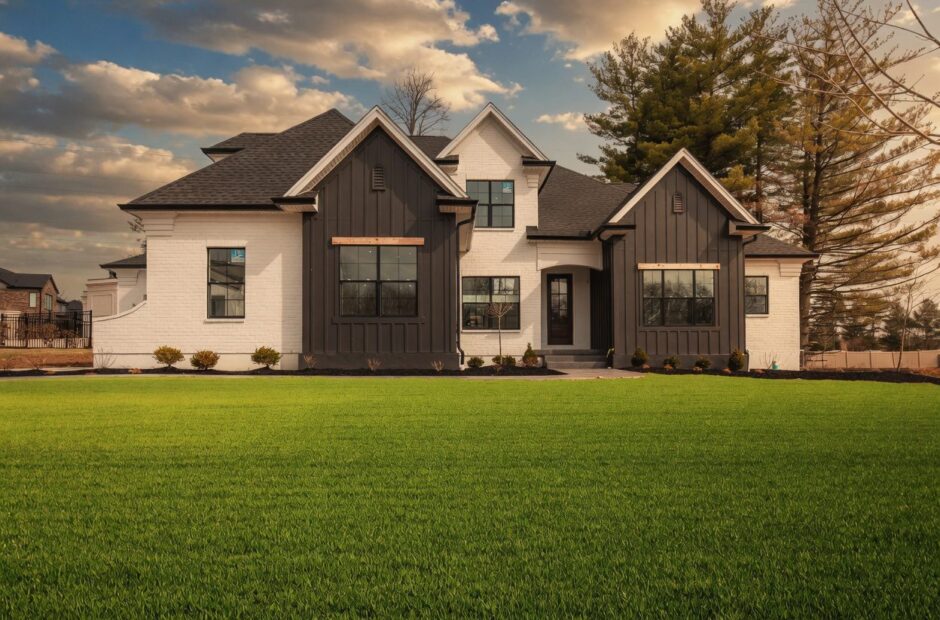
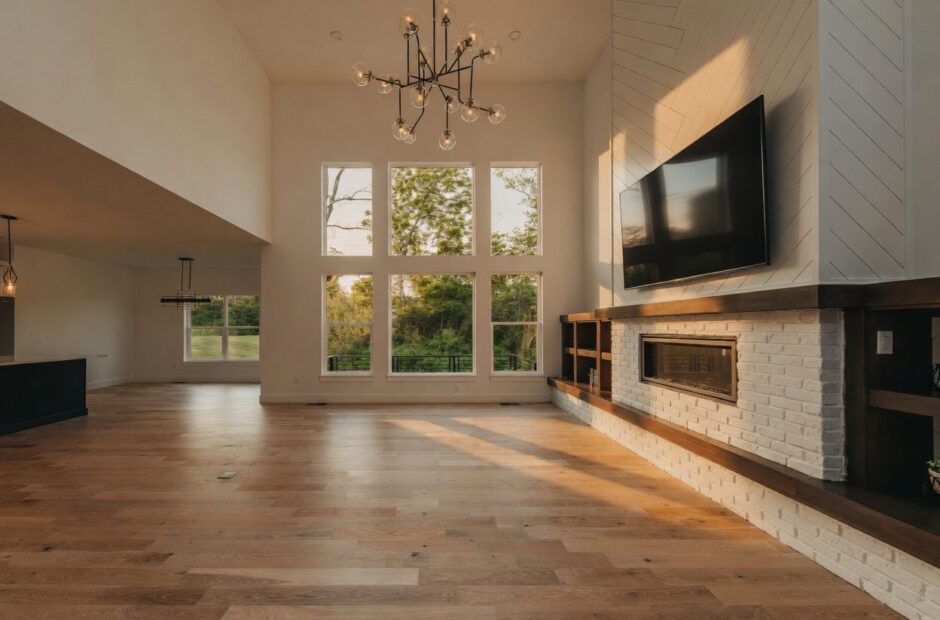
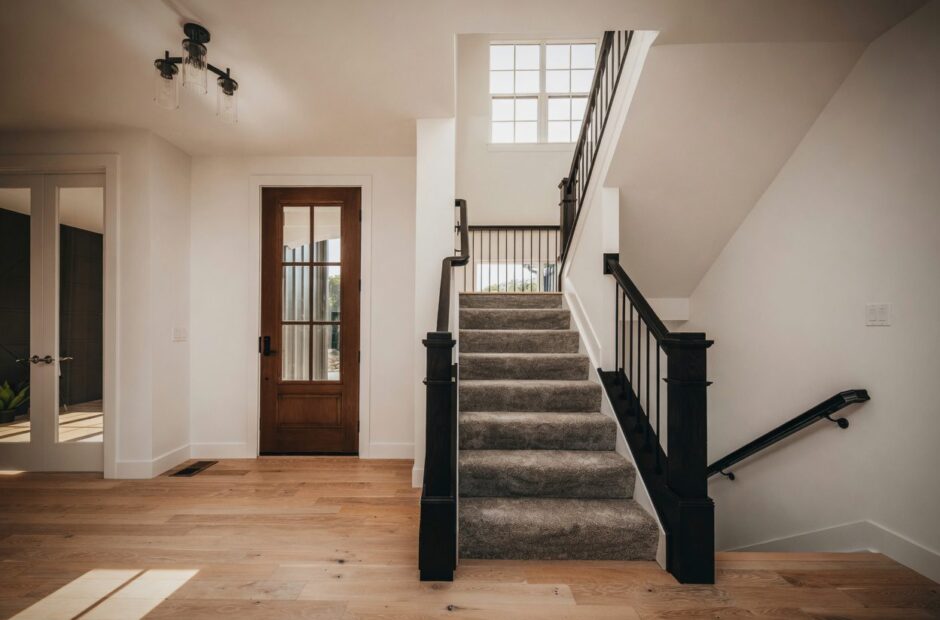
Whichever you start with, our designers fit it to the land: which way the house faces, where the morning light comes in, where a walkout makes sense. See finished homes in the galleries or walk through one on a virtual tour.
What it costs to build on your lot
The same plan can cost very different amounts on two different lots. The house is most of the number. The land decides the rest: site work, utility runs, a septic system or well, the length of the driveway.
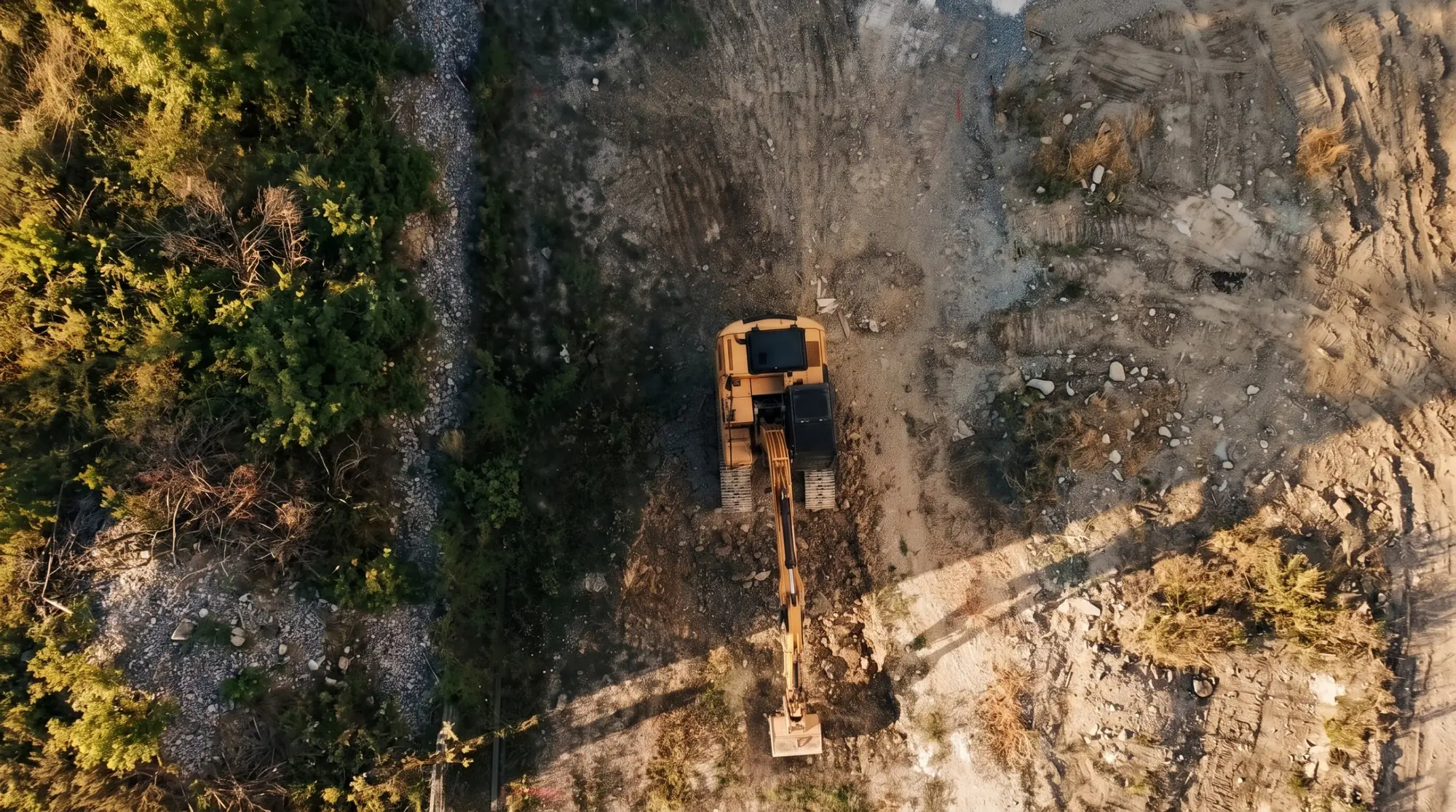
That’s why the price comes after we’ve walked the land and the design is done.
We work with three approved construction lenders who know custom builds. If you already own your land, ask them whether its value can count toward your down payment. Construction financing
How a build on your land works
- A first conversation about how you live and where your land is.
- We walk the land with you.
- Design, fitted to the site, with an in-house designer at our Mason Design Center.
- Pricing and contract, once the design is set.
- Permits: the building department, plus the health department if the home needs a septic system.
- Site work and construction, with one project manager from start to finish.
- Closing day.
Most JDH builds take 12 to 24 months from contract to closing. On your own land it can run longer, depending on what the site needs. See the full process.
Where we build
We build on clients’ land across Greater Cincinnati, Northern Kentucky and Dayton. Not sure your land is in our area? Ask. It’s a quick answer.
Before you decide, see what other homeowners say about building with us.
No land yet?
Start with a homesite in one of our communities:
- Oakridge Estates — wooded homesites in Goshen Township, site of HOMEARAMA 2027.
- ChimneyRidge — 30 homesites a mile from downtown Loveland.
- Country Club of the North — golf course homesites in Beavercreek.
- Rivers Pointe Estates — a 400-acre community on the Ohio River in Hebron, Kentucky.
- Triple Crown Country Club — golf and country club living in Union, Kentucky.
Or skip the wait with a quick move-in home. See every community we build in.
Frequently asked questions
Can Justin Doyle Homes build on land I already own?
Yes. Justin Doyle Homes builds custom homes on clients’ land across Greater Cincinnati, Northern Kentucky and Dayton, from Signature Series plans, fully custom designs, or plans you bring.
What should I check before buying land to build on?
Find out whether public sewer and water reach the lot, how far electric and gas have to run, what zoning and deed restrictions allow, whether any of it is in a flood zone, and whether there’s a recorded survey and guaranteed road access. Without sewer, confirm the soil can take a septic system before you buy.
How much does it cost to build a house on your own lot?
It depends on the home and the land. Site work, utility runs, a septic system or well, and the length of the driveway can change the cost of the same plan from one lot to another. Justin Doyle Homes prices a home after walking the land and finishing the design.
Do I need a septic system?
Only if public sewer isn’t available. A septic system needs soil that can absorb water, confirmed by a soil evaluation, and a permit from the county health department before it’s installed.
Can I use my own house plans?
Yes. Bring plans you’ve already had drawn, or start from a Signature Series plan and change it to fit your land and how you live.
Can the land I own count toward my down payment?
With some construction lenders, yes. Ask the lenders Justin Doyle Homes works with how they treat land you already own.
How long does it take to build a custom home on your own lot?
Most Justin Doyle Homes builds take 12 to 24 months from contract to closing. A build on your own land can take longer, depending on how much site work the lot needs.
Can you build on family land or a parcel split from a larger property?
Yes. If the parcel needs to be split or newly surveyed first, that goes through the county or township before a building permit can be issued, so it’s worth starting early.
Does Justin Doyle Homes build in Northern Kentucky and Dayton?
Yes. Justin Doyle Homes builds across Greater Cincinnati, Northern Kentucky and the Dayton area, on clients’ land and in its own communities.
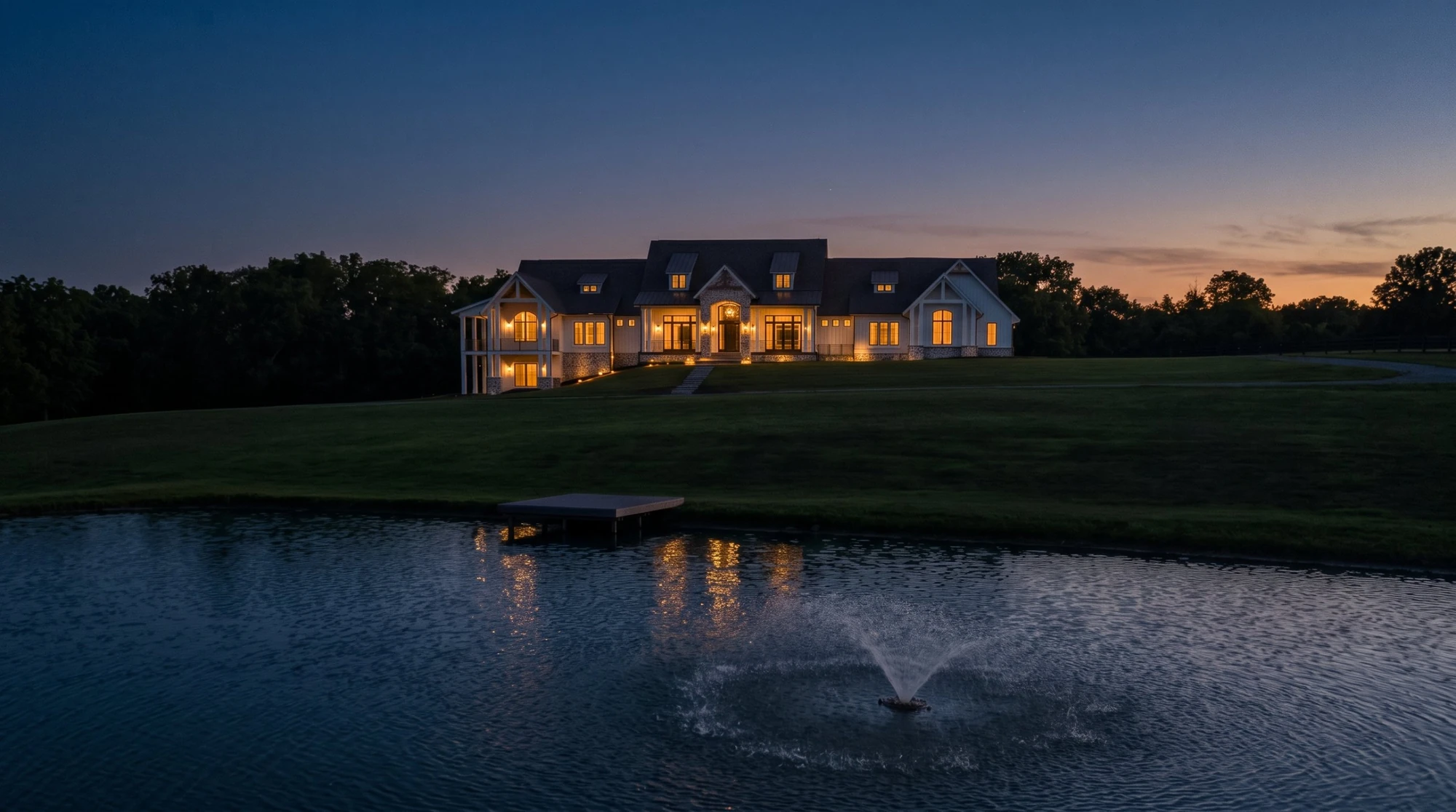
The land is already yours. The house is the part we can help with.
Tell us where it is.
Justin Doyle Homes — Cincinnati’s Forever Home Builder.
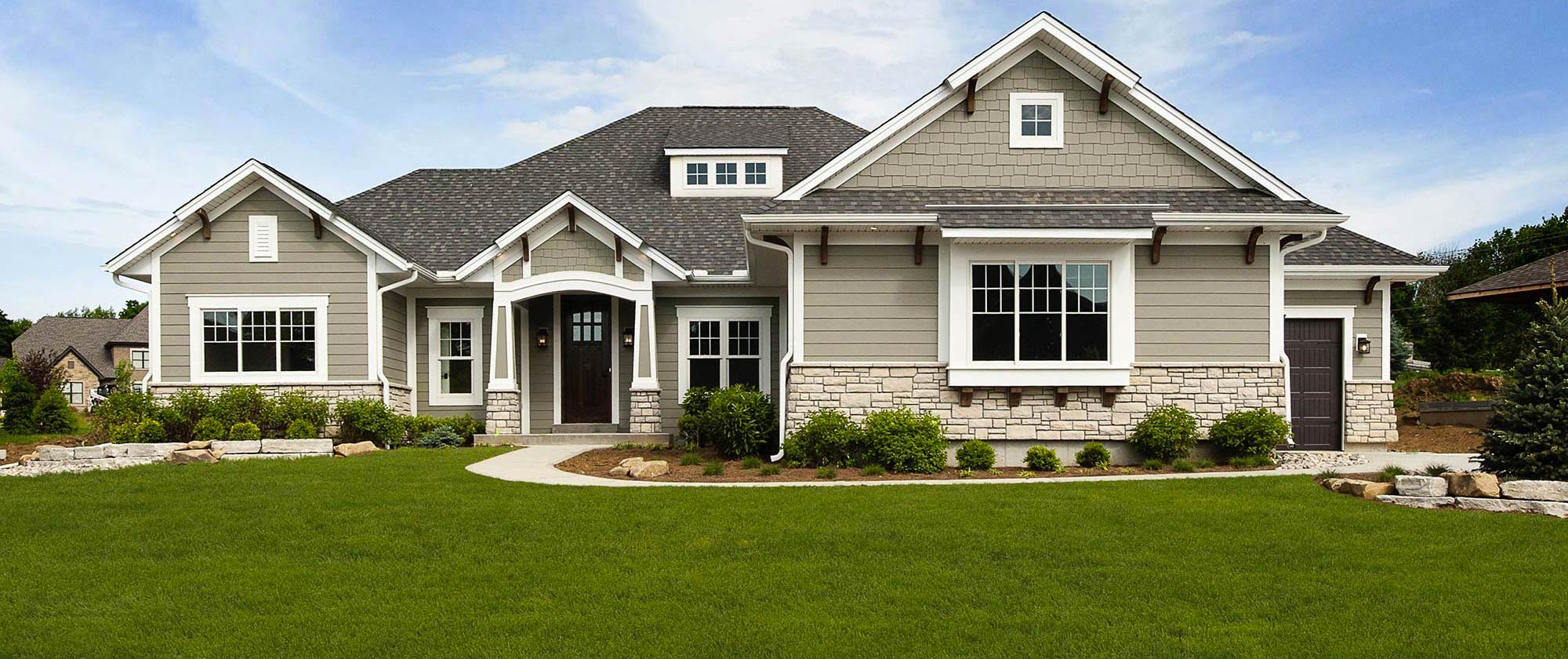
Building Process
At Justin Doyle Homes, we’ll help you design and build a home that fully captures your vision—and feel supported and empowered throughout the building process.