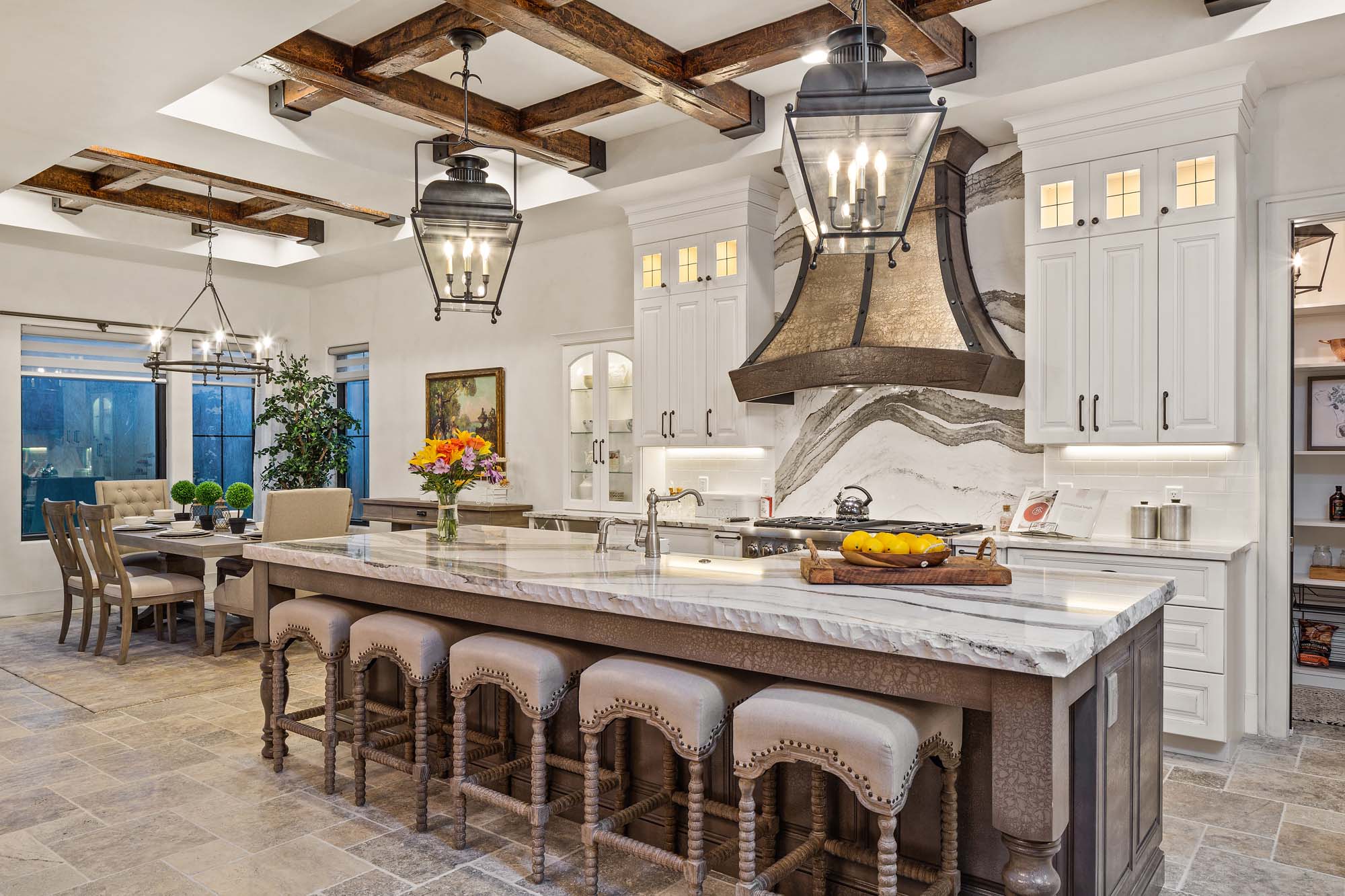
LEED Certification
Most builders offer LEED certification as an optional upgrade. At JDH, it works differently.
Everything learned from building LEED certified homes gets applied to every home JDH constructs — certified or not. That means better materials, tighter energy performance, and improved indoor air quality are built into the JDH standard, not added to a line item.
For a family building their forever home, that matters. Lower utility bills. Cleaner air. A home built to perform — not just to look good at move-in.
What Does LEED Stand For?
LEED — Leadership in Energy and Environmental Design — is the nationally recognized standard for high-performance building construction, established by the U.S. Green Building Council in 1994. It’s a rigorous, third-party verified framework that measures how a home is built, what it’s built with, and how efficiently it performs over time.
JDH is a certified LEED builder. That credential isn’t honorary — every certified home goes through on-site inspections and is scored against a formal standard throughout the construction process.
Tax Abatement
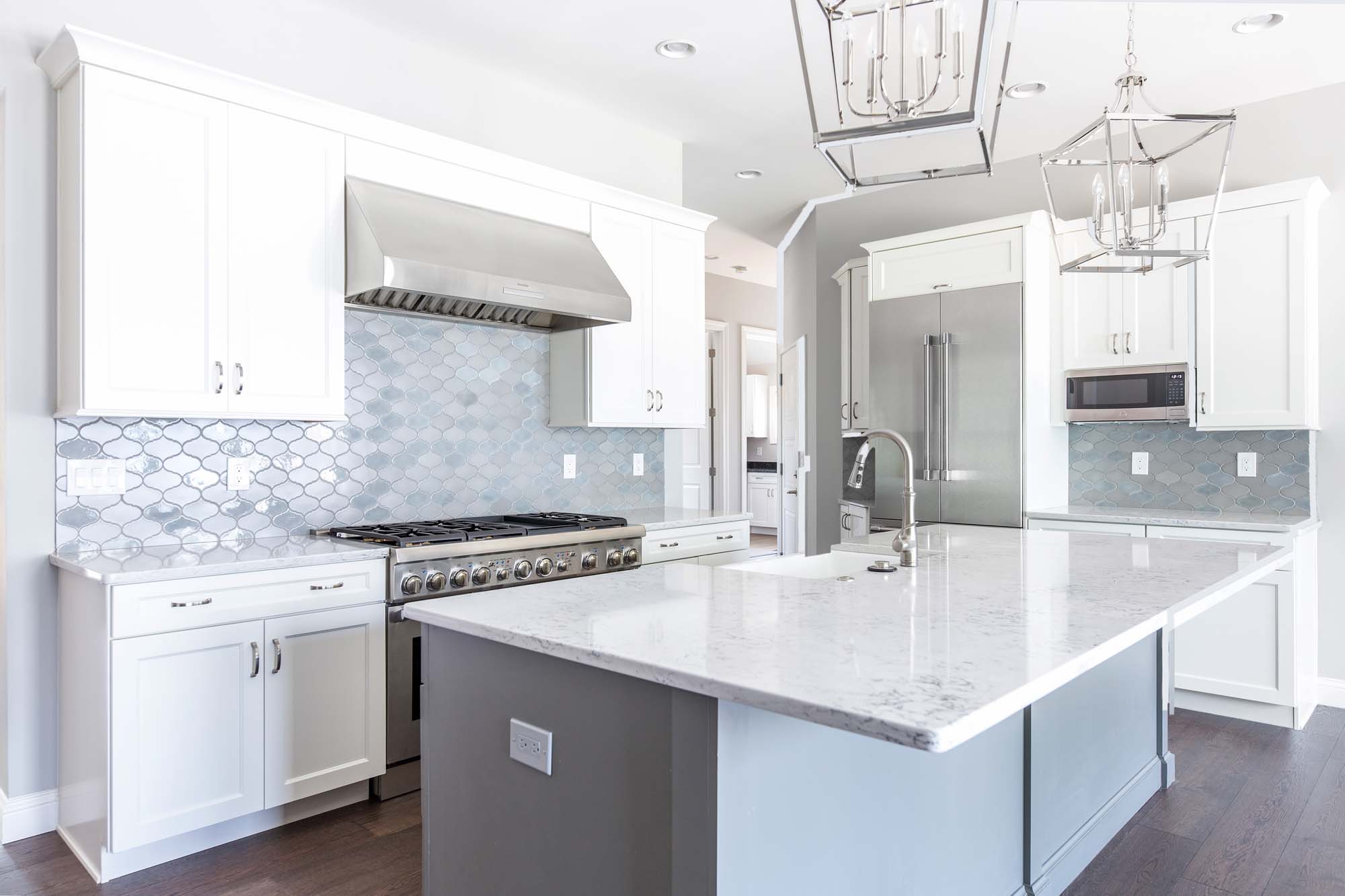
Cincinnati homeowners may qualify for a 10 to 15-year tax abatement.
Cincinnati’s tax abatement program applies to new or newly remodeled LEED certified homes within city limits. For homeowners building in Cincinnati, this is a meaningful long-term financial benefit worth discussing during the planning process.
Tax abatement eligibility is determined by the City of Cincinnati. Ask your JDH sales consultant for details.
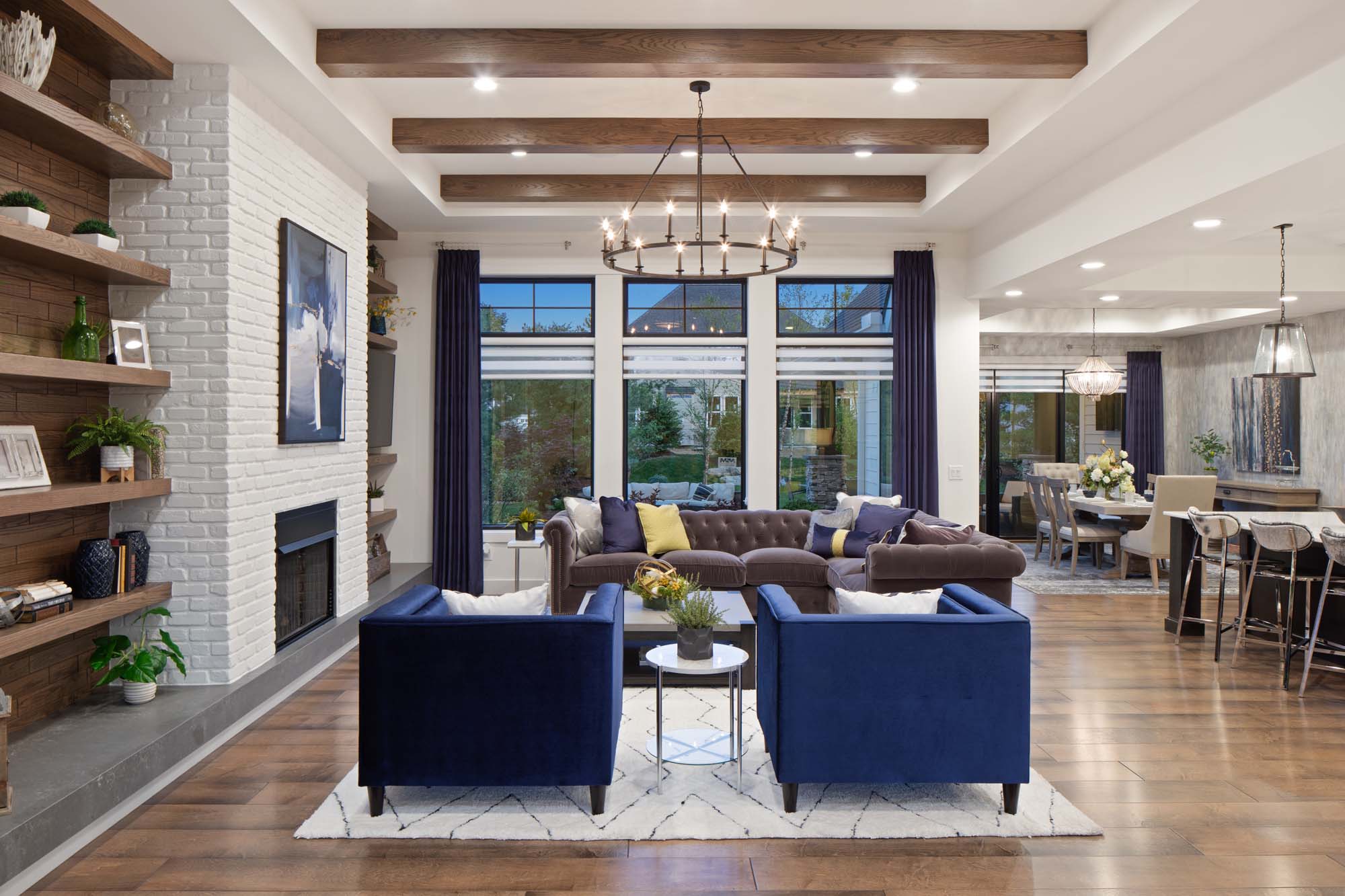
What LEED Means for Your Home
Smart Material Management
JDH uses locally sourced, responsibly obtained, and recycled building materials where available — minimizing waste during construction and reducing the long-term environmental footprint of the home.

Water Efficiency
Indoor plumbing fixtures account for up to two-thirds of a home’s water usage. JDH uses water-efficient appliances throughout and designs for responsible outdoor water use, reducing consumption without compromising how the home functions day to day.
Clean Indoor Air
The average American home has indoor air quality two to five times worse than outdoor air. JDH certified homes use efficient HVAC systems that filter and circulate outside air, combined with non-toxic carpeting, paints, and finishes — creating an indoor environment that’s measurably healthier.
Renewable Energy
Justin Doyle Homes uses on-site renewable energy systems whenever possible in order to reduce electricity costs and the carbon footprint generated by any of our custom-built homes.
Energy Efficiency
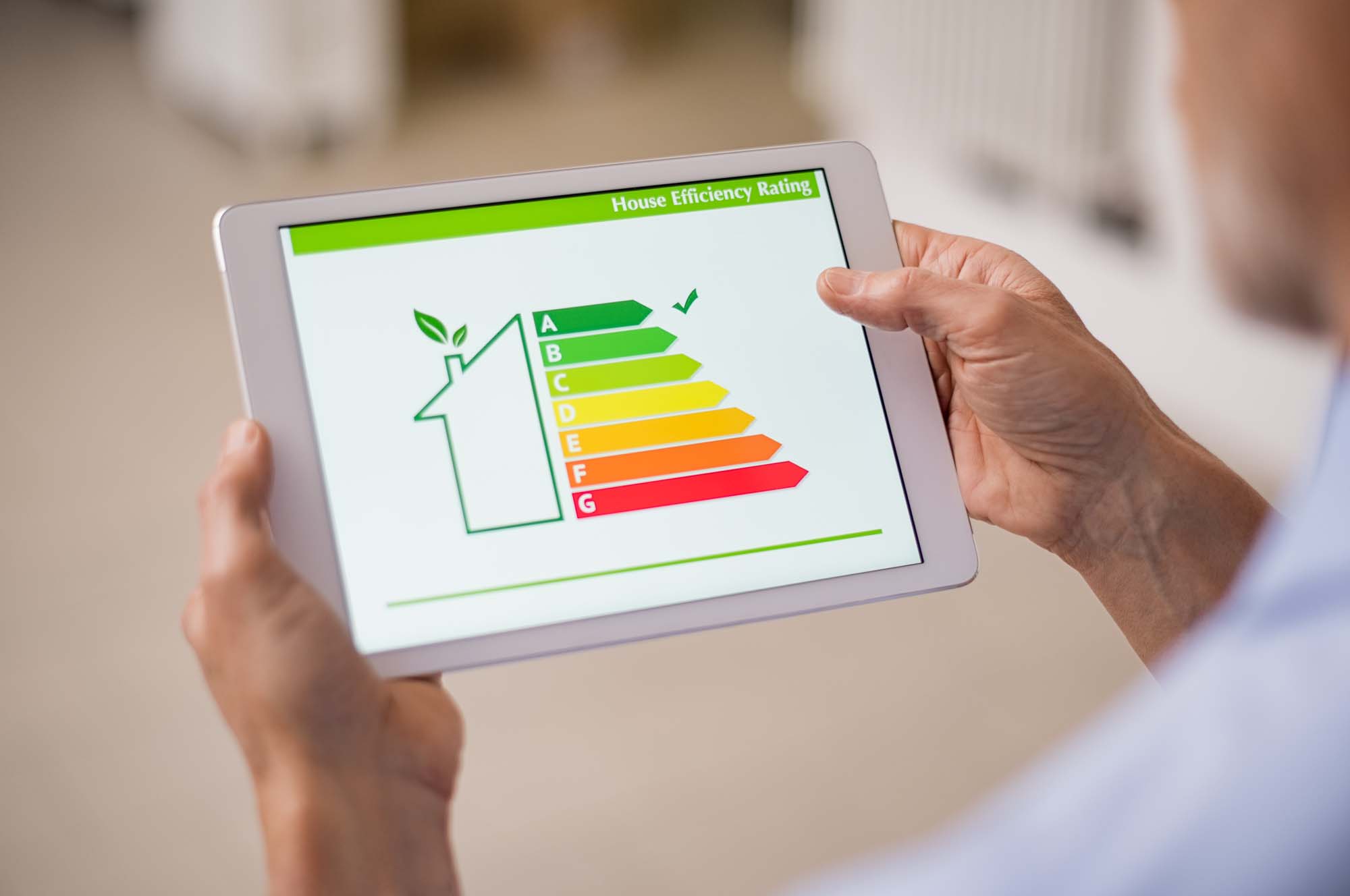
JDH homes use 30–50% less energy than non-LEED certified construction. That translates directly to lower utility bills across the lifetime of the home — significant for a family planning to stay in theirs for decades.
Sustainable Building Sites
JDH builds with the surrounding environment in mind — native landscaping, mandatory erosion controls during construction, and site development practices that minimize impact on local ecosystems.
Third-Party Verified
LEED certification isn’t self-reported. Every certified JDH home undergoes a documented inspection process with visual on-site reviews throughout construction. A formal LEED scorecard measures how the home performs — not just how it was designed to perform.
That accountability is part of what JDH’s standard means in practice.
Ready to Build to a Higher Standard?
Start with a conversation. We’ll walk you through what LEED certification means for your specific build.